Is Apple Intelligence Worth It in 2026? A No-Hype Verdict
Apple's AI is free and built into your iPhone — but it needs recent hardware, the wins are small, and EU users won't get the new Siri. Here's who should care.
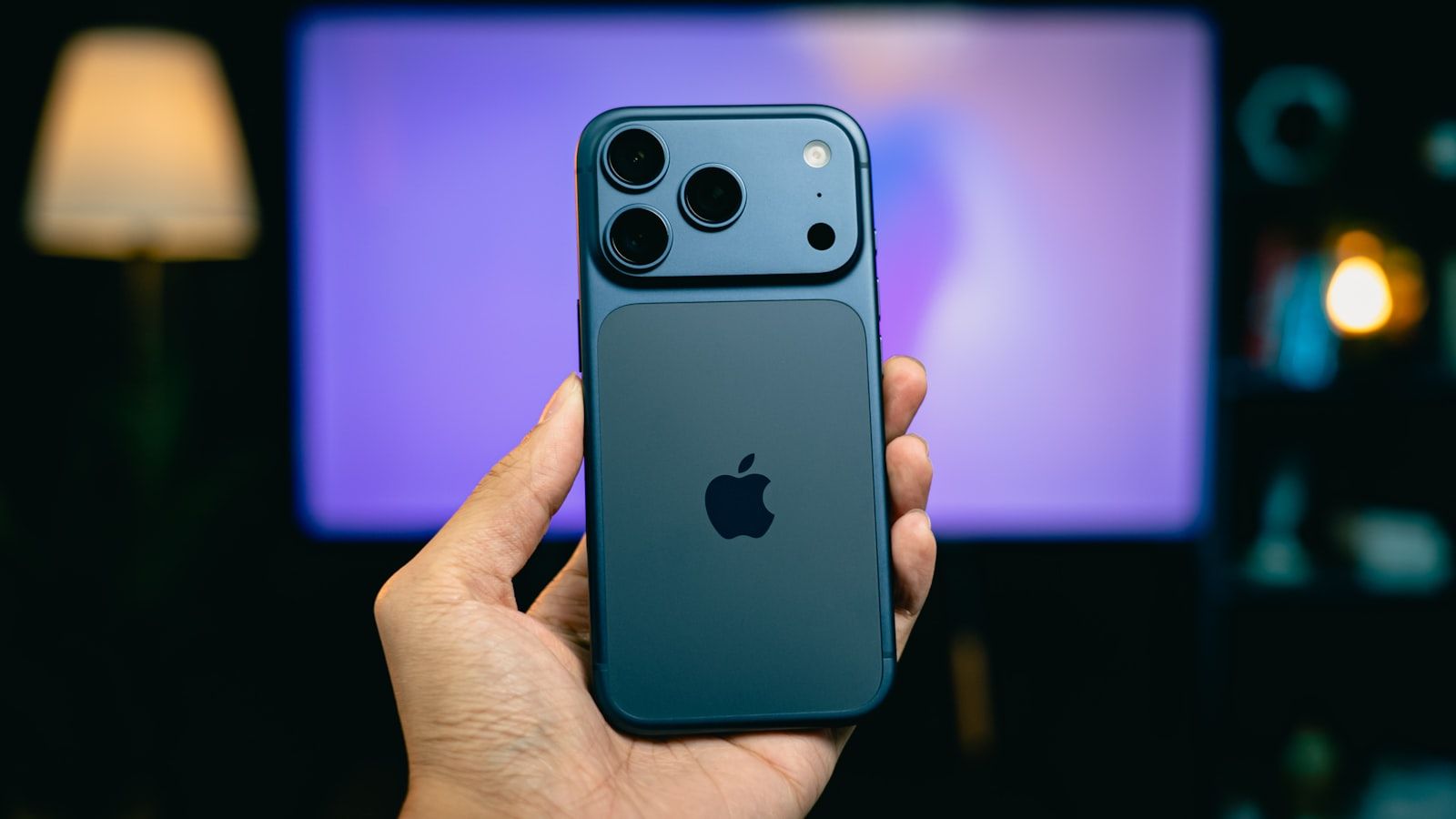
- Apple Intelligence is free and built into recent Apple devices — there's no monthly fee, unlike ChatGPT Plus or Perplexity Pro.
- It needs recent hardware: an iPhone 15 Pro or newer, or an M-series iPad or Mac. Older devices are simply left out.
- The new conversational 'Siri AI' shown at WWDC 2026 (June 8) will not ship to EU iPhone and iPad users, with no timeline given.
- The day-to-day wins — summaries, writing tweaks, photo Clean Up — are real but small, and not a reason to upgrade a phone on their own.
Apple Intelligence is worth turning on if you already own a compatible iPhone, iPad, or Mac — it's free, private, and handy for summaries, writing tweaks, and photo cleanup. The 2024 launch underdelivered, but the June 2026 Siri AI relaunch finally answers real questions and won back some skeptics. It is still not worth buying new hardware for, and EU iPhone users won't get the headline Siri AI upgrade at all.
So, is Apple Intelligence worth it? Unlike every other AI subscription you’re weighing, this one doesn’t cost $20 a month — it’s free and already baked into recent iPhones, iPads, and Macs. That reframes the whole question. You’re not deciding whether to pay; you’re deciding whether to bother turning it on, and whether its existence should push you toward new hardware. The honest answer: switch it on if you can, but don’t buy a phone for it.
And Apple clearly knows the stakes — I broke down the trade-secrets lawsuit Apple filed against OpenAI’s hardware program and why it’s really about defending the device moat.
What is Apple Intelligence, exactly?
Apple Intelligence is Apple’s built-in AI layer — a bundle of features woven into iOS, iPadOS, and macOS rather than a single app. It handles writing tweaks, notification and email summaries, photo cleanup, a smarter Siri, and a Visual Intelligence camera mode. It runs largely on-device, leans hard on privacy, and costs nothing on supported hardware.
That “on supported hardware” clause is the first reality check. Apple Intelligence needs recent silicon — roughly an iPhone 15 Pro or newer, or an M-series iPad or Mac — because much of the work happens locally instead of in the cloud. If your iPhone is a few years old, this entire article is academic: you can’t run it yet.
What does Apple Intelligence actually do well?
The genuine wins are small, quiet, and woven into apps you already open. Summaries of long email threads and stacked notifications save real time. The writing tools — rewrite, proofread, change tone — are handy in Messages and Mail. And photo cleanup that erases background clutter is the kind of thing people actually use.
None of these will make you gasp. That’s the point. Apple’s bet is that AI is most useful when it’s invisible — a “Clean Up” button in Photos, a one-tap summary at the top of a noisy group chat, a quick proofread before you hit send. Measured against the breathless launch demos of the last two years, that restraint is refreshing. The features that ship tend to work, because Apple scoped them to things current hardware can do reliably.
The 2026 push, unveiled at WWDC on June 8, centers on a rebuilt Siri AI — a more conversational assistant with its own dedicated app, plus an expanded Visual Intelligence experience and a Siri mode in the Camera. On paper it’s the upgrade Siri has needed for a decade.
Where does Apple Intelligence fall short?
The headline weakness is ambition. Apple Intelligence is a collection of conveniences, not a frontier assistant. If you want to draft a business plan, debug code, or hold a long reasoning conversation, you’ll still open ChatGPT, Claude, or Gemini. Apple even routes some harder requests to ChatGPT — a tacit admission that its own models aren’t trying to win that fight.
Siri remains the sore spot. Apple has promised a transformed Siri repeatedly, and the truly conversational version has slipped more than once. The WWDC 2026 reveal looks promising, but “looks promising in a keynote” is exactly where past Siri upgrades have stalled. Until it’s shipping on your phone and answering reliably, treat it as a preview, not a feature.
And the hardware wall is real. Locking the whole suite to an iPhone 15 Pro or newer means most of Apple’s installed base can’t touch it. That’s defensible engineering — older chips genuinely can’t run the on-device models — but it also means “free” comes with an expensive asterisk for anyone not already holding recent hardware. If you’re comparing AI tools by what you get for your money, our breakdown of whether ChatGPT Plus is worth it is a useful contrast: there, $20 buys access on any device; here, access is free but gated by what’s in your pocket.
What real users actually say
Spend an hour reading the threads and you notice the verdict has two halves, split by a calendar. The 2024 version made people feel sold a bug.
Reddit’s take is genuinely split by era: the 2024–2025 launch was widely panned as overhyped and underdelivered, while the June 2026 Siri AI relaunch won back a chunk of skeptics who say it now answers real questions instead of replying “here’s what I found on the web.” Judge the old version and the new one as two different products, because the crowd does.
On the gripe side, the complaints are loud and consistent. Buyers who grabbed an iPhone 16 “for Apple Intelligence” felt cheated when the headline features trickled out over months — one heavily upvoted thread calling the rollout a “steaming pile of mess” hammers Apple for marketing the phone as if the AI already shipped. Siri itself takes the most fire: people describe it failing basic commands, mishearing dictation, and feeling dumber after the AI layer, not smarter. There’s a sizable “I just never use it” camp who treat Siri as a glorified kitchen timer and feel zero FOMO. On the praise side, post-relaunch testers like the trip planning, shortcut creation, and pulling personal context across photos, and Visual Intelligence gets real love — pointing the camera at a nutrition label to log calories straight into Health is the example people keep citing. The recurring asterisk: many call the new Siri “just Gemini underneath,” read by some as smart pragmatism and by others as proof Apple fell behind.
Which devices support Apple Intelligence?
Before you get excited, check what’s in your pocket. The whole suite is gated to recent silicon, and the gate is unforgiving — older hardware doesn’t get a watered-down version, it gets nothing. Here’s the rough map, with the usual caveat that Apple keeps moving the lines as new chips ship.
| Device | Apple Intelligence? | What you actually get | Verdict |
|---|---|---|---|
| iPhone 15 Pro / Pro Max | Yes | Full core suite — summaries, writing tools, photo Clean Up, Visual Intelligence, Siri AI | The oldest iPhone that qualifies; a solid entry point |
| iPhone 16 line | Yes | Full suite; a couple of niceties (custom Siri voice, better dictation) skew to Pro/Air tiers | Supported, though early buyers felt the rollout dragged |
| Newest iPhone (latest generation) | Yes | Everything, first, with the most on-device headroom | Best experience, but not a reason to upgrade on its own |
| Older iPhones (iPhone 15 / 14 and earlier) | No | Standard Siri and system features — no Apple Intelligence layer | Left out; the chips can’t run the on-device models |
| M-series iPad (any iPad with an M chip) | Yes | The iPad slice of the suite — writing tools, summaries, photo cleanup | Supported; treat it as a bonus, not a buy reason |
| Older iPad (pre-M, A-series) | No | Standard iPadOS features only | Not supported |
| M-series Mac (any Apple-silicon Mac) | Yes | Mac features plus Siri AI — and EU Macs do get Siri AI | Supported across the board; the safest bet for EU users |
If your device is more than a couple of years old, the honest read is that you’re not missing much yet — a sentiment plenty of Redditors echo. The features are conveniences, not must-haves, so an older phone isn’t suddenly obsolete.
Why won’t EU iPhone users get the new Siri?
If you’re in the European Union, the verdict gets sharper: the marquee Siri AI upgrade isn’t coming to your iPhone or iPad with iOS 27 and iPadOS 27, and Apple has set no timeline. This isn’t a rumor — Apple confirmed it directly at WWDC 2026, and outlets like AppleInsider reported the omission the same day.
Apple’s stated reason is the EU’s Digital Markets Act. The company says it designed a framework — a “Trusted System Agent” — to let rival voice assistants access the same device features as Siri AI, but that regulators rejected its proposals over the past several months. The European Commission tells it differently, arguing the DMA never blocked the launch and that the choice is Apple’s. Both things can be partly true: this is a standoff over who has to move first, and EU users are caught in the middle.
The practical upshot for European readers: you’ll still get the broader Apple Intelligence features, and Siri AI will reach macOS 27 and visionOS 27 — but the new Siri on the device most people actually use, the iPhone, is indefinitely on hold. That alone changes the math on whether the 2026 upgrade is exciting or irrelevant for you.
So is Apple Intelligence worth it?
Here’s the bottom line. If you already own a compatible device, turn Apple Intelligence on — it’s free, it’s private by design, and the summaries, writing tools, and photo cleanup are small but genuine time-savers. There’s no subscription and little downside. Leaving it off just forfeits a handful of useful conveniences.
What it isn’t is a reason to upgrade your hardware. The features are incremental, not transformative, and the most-hyped piece — the new conversational Siri — is either still proving itself or, if you’re in the EU, not arriving on your phone at all. If you want a powerful, do-anything AI today, a cross-platform assistant is the better spend; see how the big chatbots stack up in our ChatGPT vs Gemini comparison, or step back and read what an AI agent actually is before deciding which tool fits your workflow.
Apple Intelligence is a sensible, privacy-minded “yes, switch it on” — and a firm “no, don’t buy a phone for it.” Free is a great price. Just don’t confuse it with free of conditions.
Bottom lineWorth switching on if your device already supports it; not worth buying new hardware for — and EU iPhone owners are stuck waiting regardless.