Robotaxi vs Owning a Car: I Ran the 2026 Numbers
I don't own a car in Miami — I ride. Here's what AAA's ownership math, Waymo's safety record, and real Bay Area ride prices say about whether you should join me.
- AAA's Your Driving Costs 2025 study puts average new-car ownership at $11,577 a year (~$965/month) — down $719 from the prior year, with depreciation ($4,334/yr) the biggest line item.
- Waymo rides averaged $19.69 vs Uber's $17.47 and Lyft's $15.47 in Obi's Bay Area data (Nov 2025–Jan 2026) — and Waymo's price fell 3.62% since April 2025 while Uber rose 12%.
- Waymo has logged 220.6 million rider-only miles through March 2026, with 94% fewer serious-injury-or-worse crashes and 82% fewer injury-causing crashes than human benchmarks.
- Waymo runs in 10 US cities as of February 2026 at 400,000+ rides a week; Tesla's Cybercab only began public-road engineering tests in Austin on June 30, 2026.
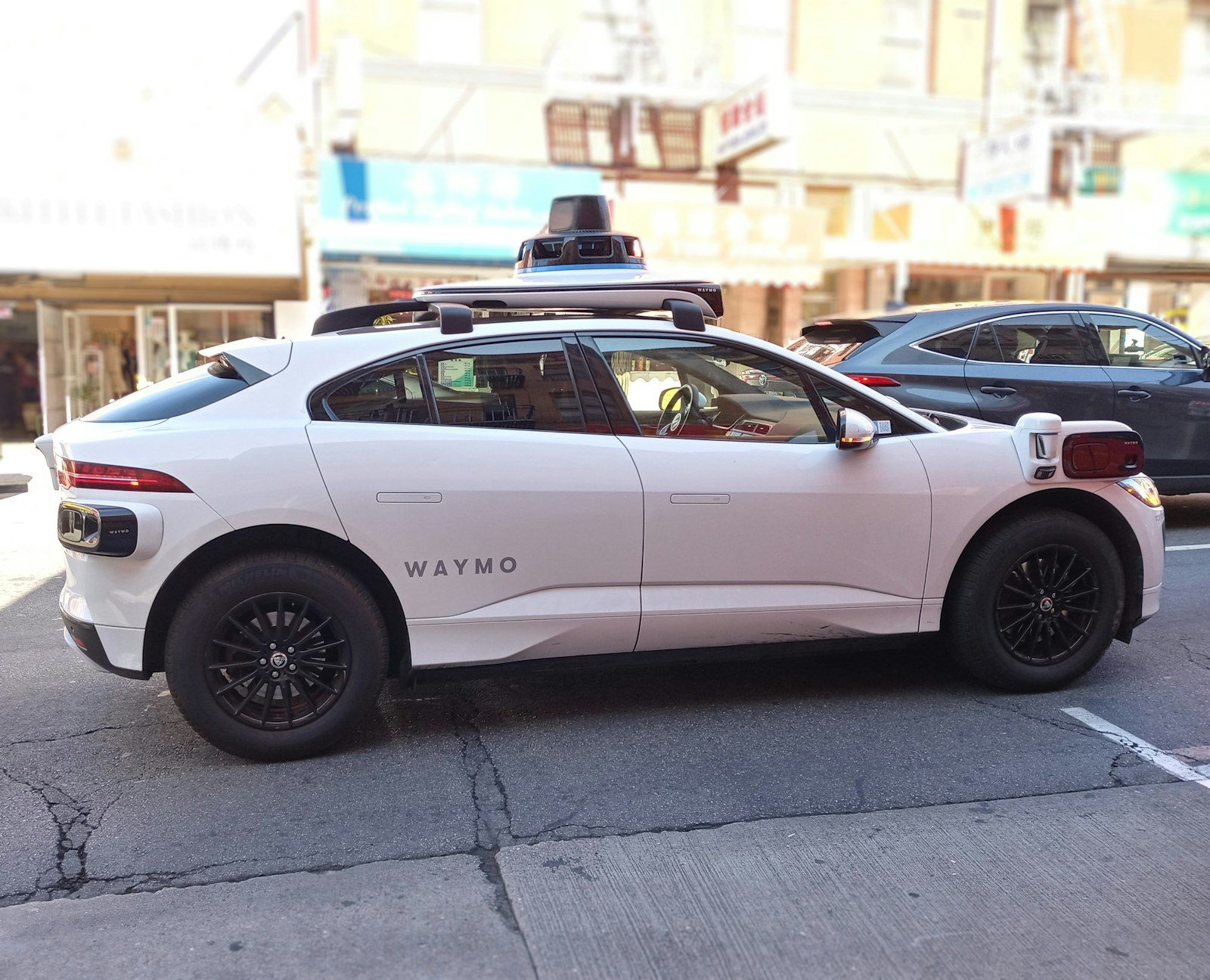
In 2026, a robotaxi can replace owning a car only inside coverage zones — Waymo operates in 10 US cities. Ownership averages $11,577 a year per AAA, while Waymo rides averaged $19.69 in Obi's Bay Area data, so light drivers save money and heavy drivers don't. Outside those cities, ownership still wins.
I don’t own a car in Miami. I don’t drive, I ride… the Segway, the S1000RR, and a Waymo when I need four doors and AC. The robotaxi vs owning a car question isn’t a thought experiment for me — it’s my monthly budget.
The 2026 answer up front: if you live in one of Waymo’s 10 US coverage cities and drive less than average, the robotaxi wins. Everywhere else, keep the car. Coverage is the dealbreaker, not cost.
Is a robotaxi cheaper than owning a car?
Owning a new car runs $11,577 a year — about $965 a month — per AAA’s Your Driving Costs 2025 study. A Waymo ride averaged $19.69 in Obi’s Bay Area pricing data. Light drivers come out ahead car-free; heavy drivers don’t — and nobody has published an honest break-even study yet.
Peep the AAA breakdown though. Depreciation alone eats $4,334 a year and full-coverage insurance averages $1,694 — that machine loses value just sitting in a parking spot. And costs actually dropped $719 from the prior year… it’s just already expensive.
Now the ride side. Ride-comparison app Obi simulated 94,000+ Bay Area ride requests from late November 2025 through January 1, 2026: Waymo averaged $19.69, Uber $17.47, Lyft $15.47. But watch the direction — Waymo’s average fell 3.62% since April 2025 while Uber rose 12% and Lyft rose 7%. In April 2025 the premium was 30-40%, and riders paid it anyway.
The robot is getting cheaper. The humans are getting pricier. That curve only crosses one way.
Are robotaxis safer than human drivers?
Waymo’s data says yes, and it isn’t close. Through March 2026, across 220.6 million rider-only miles, Waymo reports 94% fewer serious-injury-or-worse crashes, 82% fewer injury-causing crashes, and 93% fewer pedestrian-injury crashes than human benchmarks in its cities. Tesla publishes no comparable rider-only crash report.
I worked the autonomy side myself — ML DevOps for BMW’s self-driving program — so I read these reports with a mechanic’s eye, not a fan’s.
I’ve also seen the ops layer live. Mid-ride, the @Waymo rider support team and I were talking for a minute… they had full situational awareness of the car, remotely. That control-plane behind the fleet is what the crash numbers are built on.
Can a robotaxi actually replace your car in 2026?
Only if you live in the right zip code. As of February 2026, Waymo operates in 10 US cities — Phoenix, the Bay Area, LA, Miami, Dallas, Houston, San Antonio, and Orlando, plus Austin and Atlanta through the Uber app — running 400,000+ rides a week on roughly 3,000 vehicles. Denver, London, and D.C. are next.
Coverage can also vanish — Waymo’s NYC pilot ended when its permit expired March 31, 2026, and testing is paused pending renewal. Same lesson the Fable 5 blackout taught me: assume the outage, architect the failover.
Tesla? FSD v14 “Lite” started reaching the ~4 million Hardware 3 cars June 29 — still supervised Level 2 — and steering-wheel-less Cybercabs hit Austin streets for engineering tests June 30. Five days ago. That’s progress, not a service you can ride.
| Option | The math | Where it wins | Where it loses |
|---|---|---|---|
| Waymo robotaxi | $19.69 avg/ride (Obi, Bay Area) | Safety record; zero depreciation, insurance, or parking | Only 10 US cities; ~13% pricier than Uber |
| Owning a new car | $11,577/yr (~$965/mo, AAA) | Works everywhere, anytime; road trips | $4,334/yr depreciation; $1,694 insurance; you drive |
| Uber/Lyft | $17.47 / $15.47 avg (Obi, Bay Area) | Cheapest per ride; widest coverage | Prices up 12% / 7% in under a year; driver lottery |
So should you ditch your car for a robotaxi?
Ditch it if you’re in a coverage city and your driving is light — a $965 monthly ownership bill buys a lot of $19.69 rides, and the safety math is lopsided. Keep it if you’re outside the 10 cities, commute heavy miles, or need a trunk on demand.
The same autonomy stack behind AI agents with their own wallets is now handling left turns with your family in the back seat — peep what an AI agent actually is under the hood.
Americans average 60.4 minutes a day behind the wheel — roughly 370 hours a year, per AAA Foundation’s American Driving Survey. That’s nine work-weeks the robot wants to hand back.
I already gave up the car. The math finally caught up with me.
#TheAIMogul
Bottom lineInside a Waymo coverage city with light driving, the robotaxi math already beats a $965-a-month ownership bill — I live it car-free in Miami. Everywhere else, keep the car: in 2026 the dealbreaker is coverage, not cost.