PixVerse R1 Review: Real-Time AI Video, Real Verdict
A world model streaming interactive 1080p with no clip cap just raised $439M with Alibaba on the cap table. Here's my paper verdict — including the latency number PixVerse still won't publish.
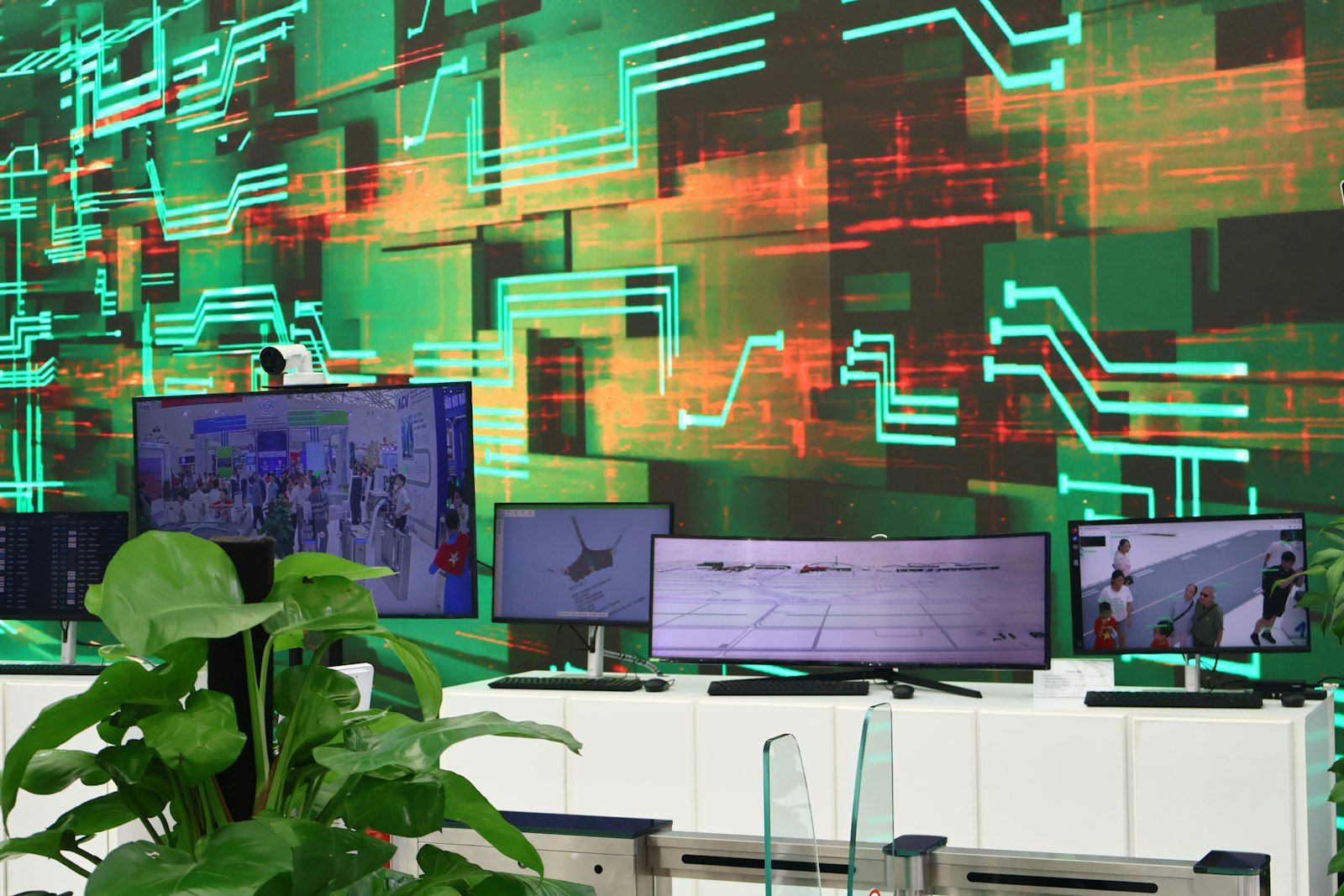
- PixVerse R1 launched January 12, 2026 as a real-time world model: continuous, interactive 1080p video + audio + world state in one stream, no fixed clip length.
- The April 2026 update added personalized avatars from 1–3 photos, multi-user shared worlds with live chat, and removed the 5-minute session cap entirely.
- On July 13, 2026, parent company AIsphere closed a $439M Series C extension at a $2B+ valuation with Alibaba as strategic investor — 150M+ registered users, 15M MAU across 177 countries.
- PixVerse claims sampling steps cut from dozens to as few as 1–4 and 'near-instantaneous response' — but publishes zero millisecond latency figures. Neither do Runway or Luma.
PixVerse R1 is a real-time AI world model launched January 12, 2026 by AIsphere, generating continuous interactive 1080p video with native audio and no fixed clip length. An April 2026 update added personalized avatars and multi-user shared worlds, and on July 13, 2026 AIsphere raised a $439M Series C extension at a $2B+ valuation with Alibaba as strategic investor.
Let me be straight about what this pixverse r1 review is: a paper verdict. I don’t have hands-on time with R1, so no fake benchmark tables here — I read launch posts the way I used to read incident reports at United’s GNOC. Here’s the call: PixVerse R1 is a real-time world model streaming continuous, interactive 1080p — video, audio, and world state in one system, no clip cap — and eight days ago somebody wired $439 million into it.
That’s not a demo anymore. That’s a bet.
What is PixVerse R1 and why does it matter?
R1 launched January 12, 2026 as a real-time world model: continuous interactive 1080p streams with no fixed clip length. The April 2026 update added personalized avatars built from 1–3 photos, multi-user shared worlds with live chat, and killed the 5-minute session cap. You don’t prompt a clip. You inhabit a stream.
The architecture has three named pieces: an Omni Native Multimodal Foundation Model (one token stream for text, image, audio, video), a Consistency-aware Autoregressive Framework (infinite-length coherent sequences), and an Instantaneous Response Engine that cuts sampling steps from dozens to as few as 1–4.
Now the Ops flag… PixVerse claims “near-instantaneous response” and publishes zero millisecond figures. In my old world, a latency claim without a p99 is a story, not an SLO. Same rule applies here.
Is the money behind PixVerse real?
Very. On July 13, AIsphere closed a $439M Series C extension at a $2B+ valuation, with Alibaba joining as strategic investor and enterprise customer. The company reports 150M+ registered users and 15M MAU across 177 countries, and says the money goes to world-model expansion and AI game-engine ambitions.
Context makes it louder. OpenAI shut down the Sora app in March citing costs. The consumer field thinned, and PixVerse doubled down into the gap. In my Grok Imagine verdict I said crowns rotate and invoices compound… R1 is a whole different chair at that table — not a better clip generator, a different product category.
How does PixVerse R1 compare to Runway Gen-4.5 and Ray3?
Different lanes, honestly. Gen-4.5 launched December 1, 2025 and ranks first on global text-to-video leaderboards at Elo 1247. Ray3 was first to native 16-bit HDR with EXR export, 540p to 4K. R1 trades cinematic polish for interactivity.
| Model | Lane | Where it wins | Where it loses |
|---|---|---|---|
| PixVerse R1 | Real-time interactive streams | No clip cap, avatars, shared worlds, 1080p live | No published latency figures; cinematic polish unproven |
| Runway Gen-4.5 | Cinematic text-to-video | Elo 1247, #1 global leaderboard | Clip-based, not interactive |
| Luma Ray3 | Pro pipeline clips | 16-bit HDR, EXR export, up to 4K | Not real-time, not a world model |
One caution for all three: the Physics-IQ benchmark’s published finding is that visual realism doesn’t correlate with physical understanding. A stream that looks right can still break the world’s rules mid-scene. No per-model scores exist for these three, so nobody gets a pass or a fail — just watch for it.
Should you use PixVerse R1 right now?
If your work is interactive — virtual worlds, live avatar content, anything game-shaped — yes, go touch it at world.pixverse.video and form your own opinion. I haven’t verified current pricing, so check your plan before building on it.
If you need finished cinematic clips, PixVerse V6 (March 30, 2026) is the saner pick: native 1080p, multi-shot, native audio, 15-second clips, 20+ lens controls, plus Motion Control (Mimic) for transferring motion from reference video. And keep the model-pluralism rule: one lane leader per job, no single-vendor worship. My sibling verdict on Pika’s Director Suite covers the editing-control lane if that’s your gap.
R1 is the first interactive video product I’d call structurally serious. Now publish the latency numbers, PixVerse… let us grade the “instantaneous.”
#TheAIMogul
Bottom linePixVerse R1 is the most credible real-time interactive video play shipping at consumer scale, and $439M with Alibaba attached says the market agrees. But until PixVerse publishes actual latency numbers, 'near-instantaneous' is marketing — treat R1 as the interactive lane leader and keep Gen-4.5 or Ray3 for cinematic finish.